We believe in amplifying student voices on any platform, and we believe the world should listen to what each and every student has to say. Here, we do so through video—a medium that many students embrace every single day. Watch the videos, and you’ll find the creativity and confidence of these students shining through, whether in poems about pumpkin pie or persuasive pieces that examine inflation. Together, their work represents a wide and wonderful range of writing from the next generation of young authors.
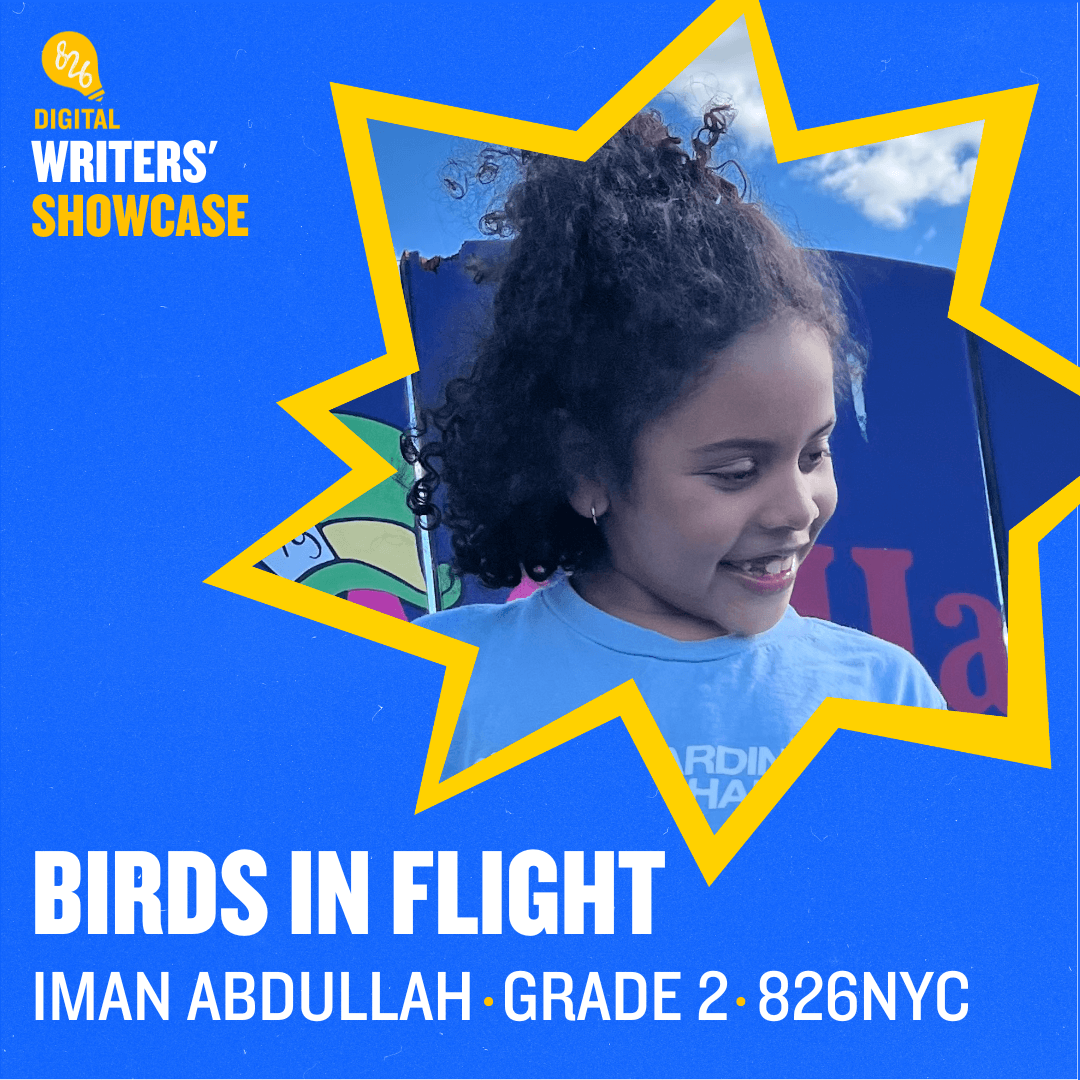
Have you ever thought about what you have in common with an animal? In this lesson, students will write a comparison poem that explores these similarities and differences.
Not all poems have to rhyme, but when they do, they generally use “rhyme scheme.” In this lesson, students will write a poem with a unique sound and rhyme scheme.
In this lesson, you will practice analyzing different types of a narrative technique called irony. Then, you will write your own scene that uses irony to develop an imaginary experience or character.
What is the story of your favorite food? In this lesson, you will use descriptive details and sensory words to write a narrative that shares more about your favorite food.

Through reading a Mentor Text, students learn more about the types of point of view and how different points of view impact their writing.
Have you ever thought about what you have in common with an animal? In this lesson, students will write a comparison poem that explores these similarities and differences.
Not all poems have to rhyme, but when they do, they generally use “rhyme scheme.” In this lesson, students will write a poem with a unique sound and rhyme scheme.
In this lesson, you will practice analyzing different types of a narrative technique called irony. Then, you will write your own scene that uses irony to develop an imaginary experience or character.
In this lesson, you will generate rhymes to use in a poem.
In this lesson, you will write down a story that’s been passed down to you, using precise words and phrases and sensory language, to convey a vivid picture of the event.
In this lesson, you will create poems that look completely different from poems you have written before!
In this lesson, students will identify the main idea and supporting details of an informational text and summarize this idea objectively.
What’s the moral of the story? In this lesson, students practice identifying and summarizing a moral in a fable written by a sixth grader.
What is the story of your favorite food? In this lesson, you will use descriptive details and sensory words to write a narrative that shares more about your favorite food.
In this lesson, you will introduce an animal you know a lot about as the narrator of a story. The narrator will provide descriptive details ask the reader "Guess who?" at the end.